

Modern startups are increasingly engineering-driven organizations. Whether building SaaS platforms, AI applications, or mobile products, teams rely on development environments that require high compute performance, efficient memory management, stable operating systems, and strong security models.
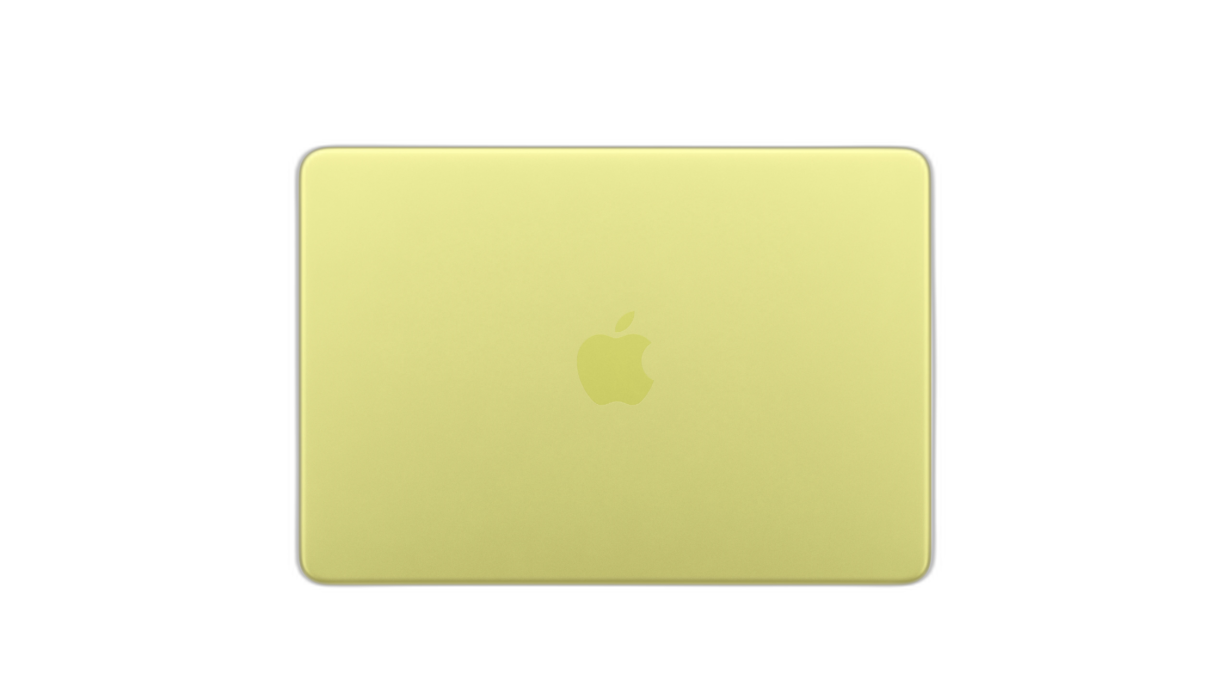
In recent discussions across the tech ecosystem, the concept of a MacBook Neo a streamlined, high-efficiency MacBook designed for productivity has gained attention among startup founders, engineers, and DevOps teams.
From an IT perspective, the appeal is not just design or brand value. Instead, the interest is rooted in system architecture, developer tooling, power efficiency, and ecosystem integration.
Below are seven technical reasons MacBook Neo is becoming the go-to laptop for startups.
1. Apple Silicon Architecture and System-on-Chip Efficiency
One of the biggest technical advantages of modern MacBooks is Apple Silicon, built on a System-on-Chip (SoC) architecture.
Unlike traditional x86 laptops where CPU, GPU, RAM, and other components operate separately, Apple Silicon integrates multiple components on a single chip:
Components inside the SoC typically include:
- High-performance CPU cores
- High-efficiency CPU cores
- Integrated GPU
- Neural Engine
- Media encode/decode engines
- Unified memory controller
- Secure Enclave
This architecture reduces latency between components and improves energy efficiency.
Technical Benefits for IT Workloads
For engineering teams, this results in:
- faster compile times
- lower memory bottlenecks
- efficient GPU acceleration
- better thermal performance
Because memory is shared between the CPU and GPU through Unified Memory Architecture (UMA), tasks like:
- machine learning inference
- video processing
- UI rendering
can access memory without costly data transfers between system components.
This design also allows the system to maintain high sustained performance without excessive thermal throttling, which is important for long development sessions.
2. Optimized Unix-Based Operating System for Developers
macOS is built on Darwin, a Unix-based operating system derived from BSD and Mach kernels.
This provides developers with a POSIX-compliant environment, making it easier to run Unix/Linux tooling.
Common developer workflows supported natively include:
Backend Development
Tools commonly used by startup engineering teams:
- Node.js
- Python
- Go
- Rust
- Java
- Ruby
Package managers like:
- Homebrew
- npm
- pip
- cargo
- apt-style tooling via containers
work seamlessly on macOS.
Containerized Environments
Many startups rely on Docker-based microservices architecture.
macOS supports containerized workflows through:
- Docker Desktop
- Kubernetes local clusters
- containerized CI environments
While macOS runs containers through virtualization layers, Apple Silicon optimizations have improved performance significantly.
This allows engineers to replicate production infrastructure locally, which accelerates development cycles.
3. Native Development Platform for iOS and Cross-Platform Apps
Startups building mobile applications must support iOS.
Apple requires developers to use Xcode and macOS to build iOS applications.
For companies working in:
- mobile apps
- fintech
- SaaS platforms
- health tech
- consumer platforms
MacBooks become the mandatory development environment.
Technical advantages include:
- direct iOS simulator support
- Swift and Objective-C development
- integrated testing tools
- code signing infrastructure
Frameworks commonly used by startups include:
- SwiftUI
- UIKit
- React Native
- Flutter
- Unity (for mobile gaming)
With Apple Silicon optimization, these frameworks run faster than on older Intel-based systems.
For mobile-first startups, a MacBook environment simplifies the build, test, and deployment pipeline.
4. High Performance Per Watt
One of the most important engineering advantages of Apple Silicon is performance per watt.
Traditional high-performance laptops often require:
- large cooling systems
- high power consumption
- loud fans
Apple Silicon chips use ARM-based architecture, which is designed for energy efficiency.
This allows MacBooks to maintain:
- high CPU throughput
- low power consumption
- minimal heat output
For developers running workloads such as:
- Docker containers
- IDE environments
- test suites
- local databases
this efficiency allows long working sessions without thermal degradation.
Benchmark comparisons frequently show that Apple Silicon processors deliver desktop-class performance while consuming significantly less power.
This makes the system suitable for mobile engineering workflows.
5. Hardware-Level Security Architecture
Security is a key concern for startups handling:
- proprietary algorithms
- financial data
- customer information
- infrastructure credentials
Apple devices include hardware-based security components.
Secure Enclave
The Secure Enclave is an isolated co-processor responsible for managing sensitive operations like:
- encryption keys
- biometric authentication
- secure boot processes
Secure Boot Chain
macOS uses a secure boot architecture that verifies the integrity of the operating system during startup.
This prevents unauthorized system modifications.
Data Protection
FileVault encryption uses AES-XTS encryption with hardware acceleration.
This ensures that sensitive business data remains protected even if a device is lost or stolen.
These protections reduce security risks for startups operating in regulated industries like:
- fintech
- healthcare
- SaaS infrastructure
6. Developer Toolchain and Productivity Ecosystem
Engineering productivity depends heavily on tooling.
MacBooks support a wide ecosystem of developer tools used across startups.
Common development tools include:
IDEs and Code Editors
- Visual Studio Code
- JetBrains IDE suite
- Xcode
- Sublime Text
DevOps Tooling
- Docker
- Terraform
- Kubernetes CLI
- AWS CLI
- Azure CLI
- Git
Collaboration Tools
- Slack
- Notion
- Linear
- Jira
- GitHub
- GitLab
Because macOS combines Unix flexibility with a polished UI, developers can manage both terminal workflows and graphical applications efficiently.
This hybrid environment is particularly valuable for full-stack developers and DevOps engineers.
7. Long-Term Hardware Lifecycle and Total Cost of Ownership
While Apple laptops may have higher upfront costs, many IT teams evaluate hardware using Total Cost of Ownership (TCO).
Factors affecting TCO include:
- device lifespan
- maintenance requirements
- resale value
- software support
MacBooks typically receive macOS updates for many years, allowing devices to remain secure and usable longer than many consumer laptops.
Additionally, Mac hardware often maintains high resale value, which allows companies to recover costs during hardware refresh cycles.
For startups managing limited capital, this reduces the effective cost per year of hardware usage.
The increasing interest in the MacBook Neo as the go-to laptop for startups is driven by more than just brand perception. From a technical standpoint, Apple’s integrated hardware and software ecosystem delivers advantages in performance, efficiency, security, and developer productivity.
For engineering-focused startups building modern software infrastructure, having a reliable development environment is essential. With its Apple Silicon architecture, Unix-based operating system, strong developer tooling, and long-term hardware reliability, the MacBook platform continues to attract technical teams across the startup ecosystem.
As startups scale their engineering capabilities, devices that support efficient development workflows and secure computing environments will remain a key part of their technology stack.
Buy MacBook Neo for your team – Here